Fast Supply Solutions
We match your technical product needs with the right manufacturers and quickly organize the process for competitive prices and short delivery times.

Industrial valves are key components used to direct, shut off, regulate or secure the flow of liquids, gases, steam and process fluids in industrial piping systems.
Industrial valves are key components used to direct, shut off, regulate or secure the flow of liquids, gases, steam and process fluids in industrial piping systems.
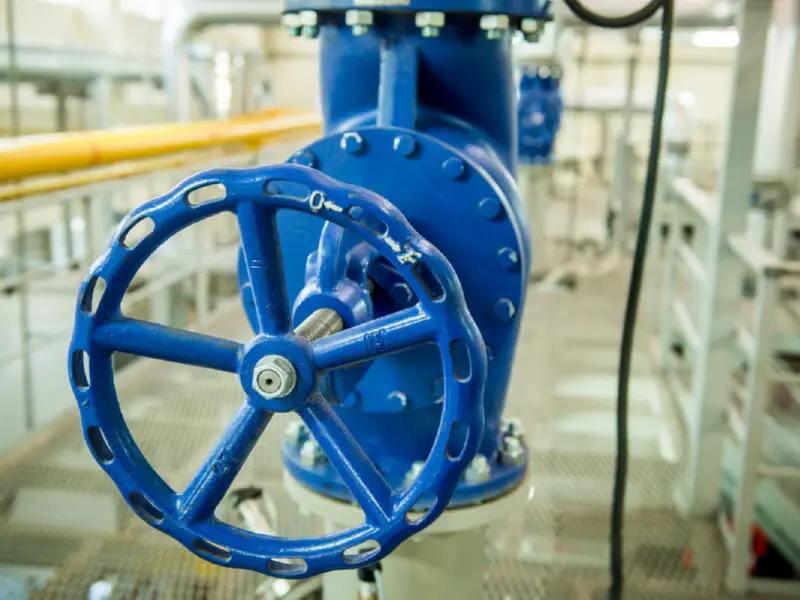
Industrial valves are used in pipelines to shut off, direct, regulate or prevent reverse flow. They play a critical role in safe and sustainable operation across chemical plants, oil and gas lines, energy facilities, water treatment systems, food processing and manufacturing plants.
Ball valves are used for fast and reliable shut-off. Butterfly valves stand out in large-diameter lines thanks to their compact structure and low installation space requirement. Gate valves are preferred in water and infrastructure lines for fully open or fully closed operation. Check valves prevent reverse flow.
Industrial valves are designed for durability, sealing performance, safe operation and long service life. In lines with high pressure, high temperature, corrosive media or abrasive fluids, body material, sealing structure, stem/disc/ball design and connection standard must be selected carefully.
Industrial valves are used in chemical plants, oil and gas pipelines, water treatment systems, power plants, automotive facilities, food processing lines and general production plants. Correct valve selection improves system efficiency and reduces maintenance cost.
Industrial valves are used in pipelines to shut off, direct, regulate or prevent reverse flow. They play a critical role in safe and sustainable operation across chemical plants, oil and gas lines, energy facilities, water treatment systems, food processing and manufacturing plants.
Ball valves are used for fast and reliable shut-off. Butterfly valves stand out in large-diameter lines thanks to their compact structure and low installation space requirement. Gate valves are preferred in water and infrastructure lines for fully open or fully closed operation. Check valves prevent reverse flow.
Industrial valves are designed for durability, sealing performance, safe operation and long service life. In lines with high pressure, high temperature, corrosive media or abrasive fluids, body material, sealing structure, stem/disc/ball design and connection standard must be selected carefully.
Provide the fluid, DN, PN, operating temperature and pressure, connection standard, body and sealing materials, actuation type, quantity and delivery location. Chemical compatibility and pressure-temperature limits must be confirmed before ordering.