Fast Supply Solutions
We match your technical product needs with the right manufacturers and quickly organize the process for competitive prices and short delivery times.

Fasteners are the general group of bolts, nuts, screws, washers, anchors, studs, threaded rods and similar products used to join components safely, controllably and, where required, detachably in machinery, steel construction, automotive, energy, installation and building applications.
Fasteners are the general group of bolts, nuts, screws, washers, anchors, studs, threaded rods and similar products used to join components safely, controllably and, where required, detachably in machinery, steel construction, automotive, energy, installation and building applications.
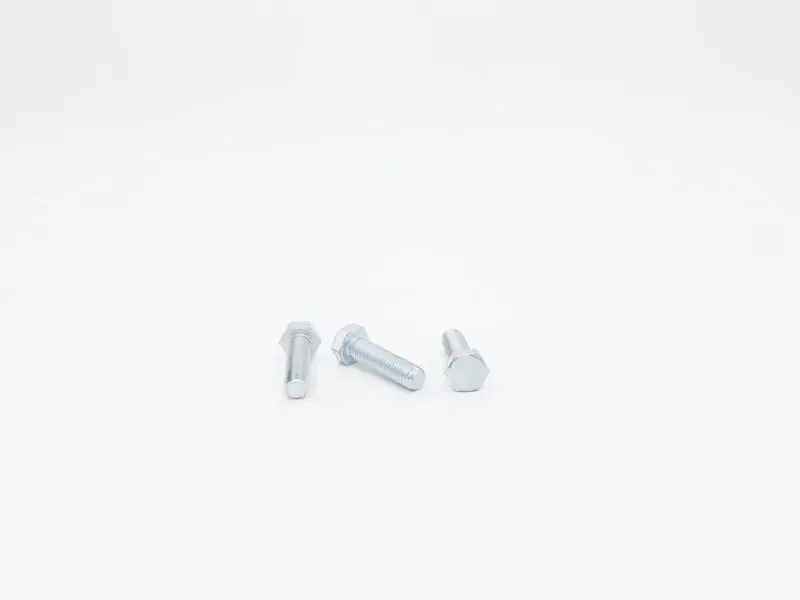
Fasteners are standard or custom-manufactured components used to connect two or more parts mechanically. Bolts, nuts, screws and washers are common in detachable joints; anchors are used for fixing; and studs and threaded rods are widely used in flange, machinery and equipment connections.
A reliable joint does not depend on diameter alone. Load direction, joint geometry, thread form, grip length, strength class, material, surface coating and tightening method must be assessed together.
Bolts operate with a nut or a tapped hole. Nuts create clamping force on bolts and studs. Screws are generally driven directly into a material or prepared hole. Washers may distribute load over a wider area, protect the bearing surface and, in certain designs, support resistance to loosening.
Anchors are used for fixing into concrete, brick, aerated concrete and similar substrates. Threaded rods and studs, with full-length or end threads, are used in flanges, machinery, moulds and installation systems.
For metric fasteners, the number following M indicates the nominal thread diameter. Length may be measured from below the head or include the head, depending on head design. Thread pitch is the distance between adjacent threads; coarse and fine pitches are selected according to load, adjustment and vibration requirements.
Bolts, nuts, screws and tapped holes must have compatible diameter, pitch and tolerance systems. Incorrect combinations can cause thread stripping, insufficient clamping or installation damage.
DIN, ISO and EN standards define criteria such as head geometry, dimensions, thread characteristics, tolerances, mechanical properties, materials and marking. Fasteners sold under the same general name may comply with different standards, so selection should be based on the applicable standard number and technical dimensions.
For special products outside a standard, the drawing, material grade, heat treatment, coating, tolerances and inspection requirements should be defined before ordering.
Strength classes such as 4.6, 8.8, 10.9 and 12.9 are common for carbon and alloy steel fasteners, while A2 and A4 are widely used stainless-steel grades. A higher strength class is not automatically suitable for every application; mating-part strength, fatigue, impact, temperature and corrosion must also be considered.
Electroplating, hot-dip galvanizing, black oxide and other protective finishes are selected according to the service environment. Coating can affect not only corrosion resistance but also thread fit and tightening friction.
Tensile and shear loads, vibration, temperature, humidity, chemical exposure, installation space and maintenance requirements should be assessed. In addition to diameter and length, sufficient thread engagement, bearing area, hole tolerance and compatibility of the nut and washer must be checked.
For fixing into concrete or masonry, anchor type, base material, edge distance, embedment depth and design load require separate consideration. Manufacturer data and engineering calculations should govern critical joints.
Tightening torque depends on diameter, pitch, strength class, coating and lubrication condition. Insufficient tightening can lead to loosening, while excessive tightening may cause thread damage, permanent elongation or fracture. Calibrated torque tools and a defined tightening sequence should be used for critical applications.
Threads, bearing surfaces and hole alignment should be checked before installation. Damaged, severely corroded or permanently deformed parts should not be reused. Joints exposed to vibration or heavy service should be inspected periodically for loosening, cracking and corrosion.
Fasteners are standard or custom-manufactured components used to connect two or more parts mechanically. Bolts, nuts, screws and washers are common in detachable joints; anchors are used for fixing; and studs and threaded rods are widely used in flange, machinery and equipment connections.
Bolts operate with a nut or a tapped hole. Nuts create clamping force on bolts and studs. Screws are generally driven directly into a material or prepared hole. Washers may distribute load over a wider area, protect the bearing surface and, in certain designs, support resistance to loosening.
For metric fasteners, the number following M indicates the nominal thread diameter. Length may be measured from below the head or include the head, depending on head design. Thread pitch is the distance between adjacent threads; coarse and fine pitches are selected according to load, adjustment and vibration requirements.
Specify the product standard, diameter, length, thread type and pitch, material, property class, coating, quantity, required certification and delivery location. Dimensions and tolerances must be confirmed against the technical drawing or applicable standard before ordering.