Fast Supply Solutions
We match your technical product needs with the right manufacturers and quickly organize the process for competitive prices and short delivery times.

Water conditioning is an integrated practice that controls the chemical and physical properties of water, protects process equipment, supports production quality and improves the potential for water reuse.
Water conditioning is an integrated practice that controls the chemical and physical properties of water, protects process equipment, supports production quality and improves the potential for water reuse.
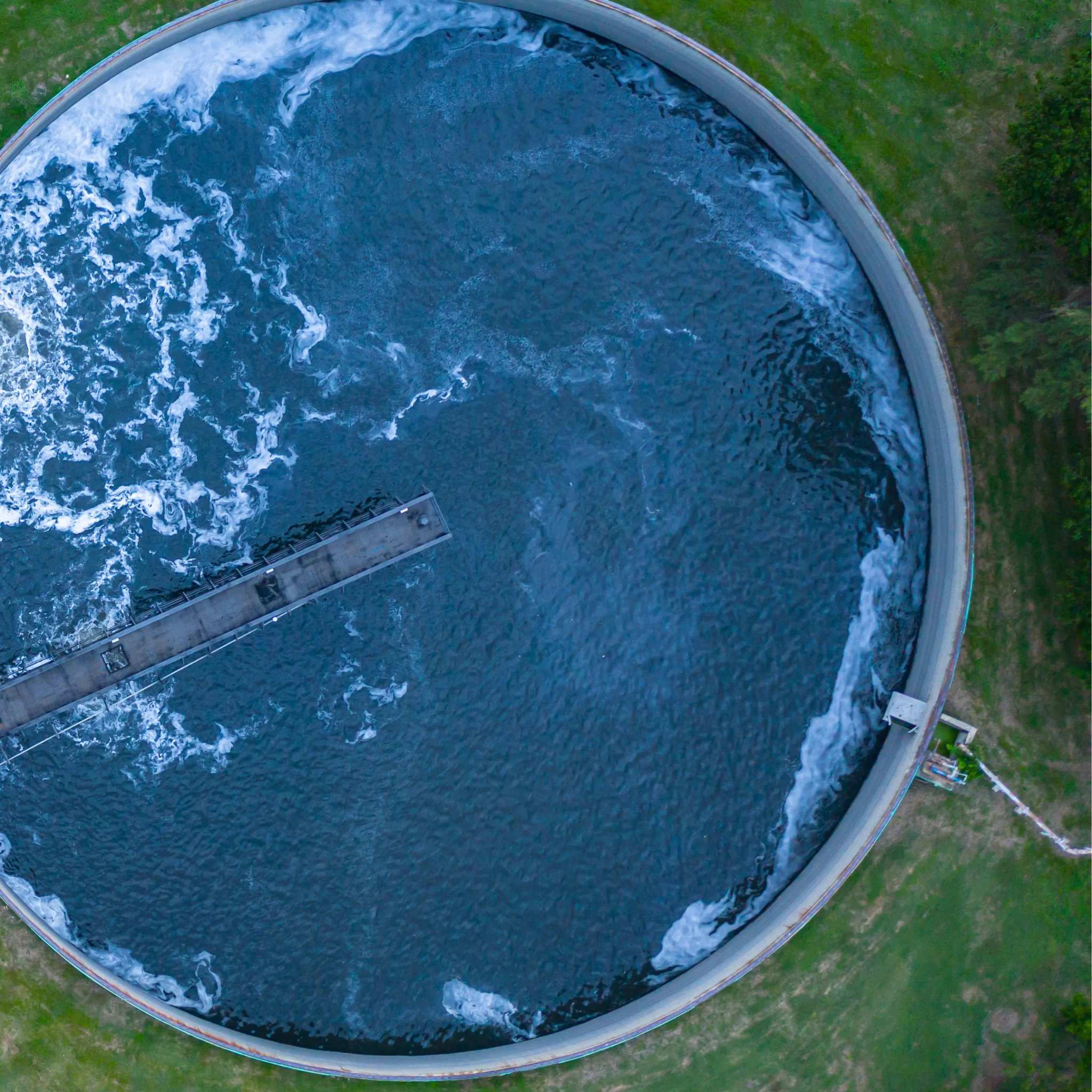
Water conditioning is the combination of chemical and physical processes used to adapt water to a specific application. Hardness, pH, alkalinity, dissolved gases, salts, suspended solids and microbiological activity are evaluated. A programme is then developed to prevent scale, corrosion, deposits, biofilm and quality fluctuations.
Conditioning is not simply the addition of one chemical. Analysis, pretreatment, chemical selection, dosing equipment, control parameters and field monitoring are managed together. The objective is to use water without damaging equipment or disrupting process quality.
pH regulators keep acidity and alkalinity within the operating range. Corrosion inhibitors form or support a protective layer on metal surfaces. Antiscalants and dispersants delay the crystallisation and adhesion of hardness minerals. Biocides and biodispersants control microorganisms and biofilm.
Coagulants and flocculants improve the separation of suspended and colloidal matter. Oxygen scavengers, alkalinity builders and dedicated boiler or cooling-water products are included according to system conditions. Formulations should match water analysis, temperature, materials and operating regime.
For drinking and utility water, conditioning helps control turbidity, colour, taste, odour, hardness and microbiological risk. Filtration, coagulation, disinfection, softening and pH adjustment can be combined according to the source and required quality.
For industrial process water, quality requirements depend on whether water contacts the product, participates in a reaction or circulates through equipment. Controlling ionic contaminants, hardness and dissolved salts supports production stability and product purity.
In boilers, scale reduces heat transfer, increases fuel consumption and can cause overheating of metal surfaces. Corrosion can affect the feed line, boiler and condensate system. Softening, reverse osmosis, oxygen control, phosphate or polymer programmes and blowdown management are components of boiler-water conditioning.
In cooling towers, evaporation concentrates dissolved solids. Scale, corrosion, microbial growth and suspended solids must be controlled together. Cycles of concentration, pH, conductivity, biocide programme and chemical dosing require regular monitoring.
Water conditioning is the combination of chemical and physical processes used to adapt water to a specific application. Hardness, pH, alkalinity, dissolved gases, salts, suspended solids and microbiological activity are evaluated. A programme is then developed to prevent scale, corrosion, deposits, biofilm and quality fluctuations.
pH regulators keep acidity and alkalinity within the operating range. Corrosion inhibitors form or support a protective layer on metal surfaces. Antiscalants and dispersants delay the crystallisation and adhesion of hardness minerals. Biocides and biodispersants control microorganisms and biofilm.
For drinking and utility water, conditioning helps control turbidity, colour, taste, odour, hardness and microbiological risk. Filtration, coagulation, disinfection, softening and pH adjustment can be combined according to the source and required quality.
Provide the water analysis, flow rate, process objective, existing system, pH and temperature, observed problem, daily consumption or dosage, packaging requirement and delivery location. Product and dosage selection must be verified using the technical data sheet, SDS and, where required, field trials.