Fast Supply Solutions
We match your technical product needs with the right manufacturers and quickly organize the process for competitive prices and short delivery times.

A sandwich panel is a lightweight and durable building element with an insulation core between two metal facings, commonly used for roof and facade cladding.
A sandwich panel is a lightweight and durable building element with an insulation core between two metal facings, commonly used for roof and facade cladding.
Sandwich panels generally consist of two metal facings and an insulation core placed between them. The metal facings provide mechanical strength, while the core material defines thermal insulation, acoustic performance and fire behavior.
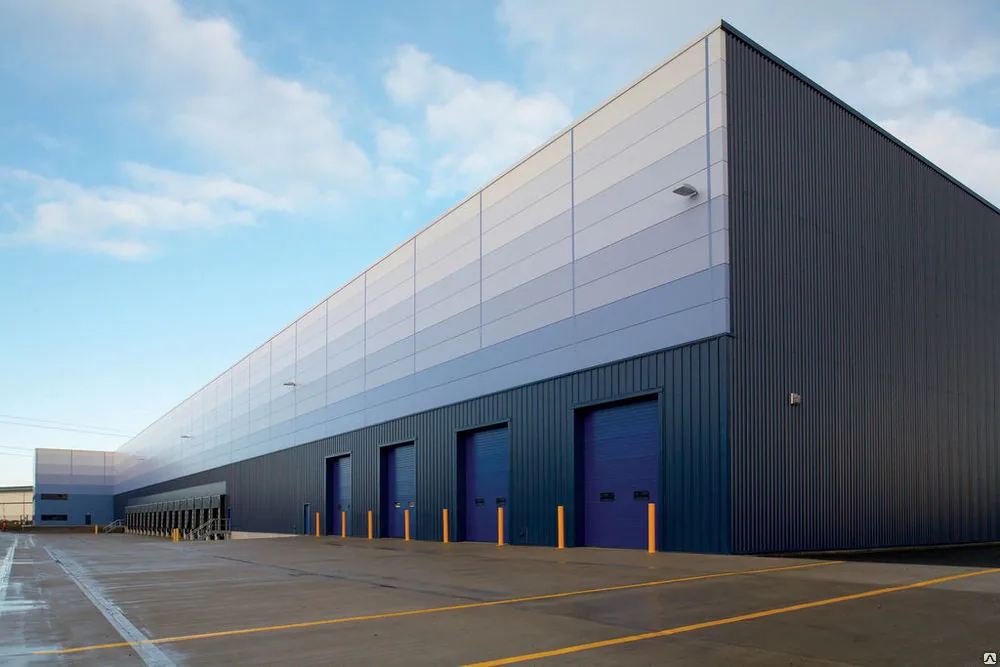
They are preferred as roof and wall cladding for factories, warehouses, logistics centers, production facilities, commercial buildings, sports facilities, agricultural buildings and cold storage areas. Their lightweight structure enables fast installation without adding unnecessary load to the building frame.
Thermal insulation, fast installation, clean appearance, low maintenance requirements and different thickness/color options make sandwich panels an economical and practical building solution. Correct panel selection directly affects energy performance and indoor comfort.
Panel thickness, metal sheet thickness, core material, fire class, coating type, RAL color, installation detail and project climate conditions should be evaluated together. The same panel type may not be suitable for both roof and facade applications.
Sandwich panels generally consist of two metal facings and an insulation core placed between them. The metal facings provide mechanical strength, while the core material defines thermal insulation, acoustic performance and fire behavior.
They are preferred as roof and wall cladding for factories, warehouses, logistics centers, production facilities, commercial buildings, sports facilities, agricultural buildings and cold storage areas. Their lightweight structure enables fast installation without adding unnecessary load to the building frame.
Thermal insulation, fast installation, clean appearance, low maintenance requirements and different thickness/color options make sandwich panels an economical and practical building solution. Correct panel selection directly affects energy performance and indoor comfort.
Specify the application, roof or wall type, core material, panel thickness, steel thicknesses, colour, total area, accessories, project location and delivery point. Fire and thermal performance must be confirmed against the project specification before ordering.