Fast Supply Solutions
We match your technical product needs with the right manufacturers and quickly organize the process for competitive prices and short delivery times.

Water treatment chemicals are specialised formulations used to control the physical, chemical and microbiological properties of water, protect process equipment and prepare water for its intended use.
Water treatment chemicals are specialised formulations used to control the physical, chemical and microbiological properties of water, protect process equipment and prepare water for its intended use.
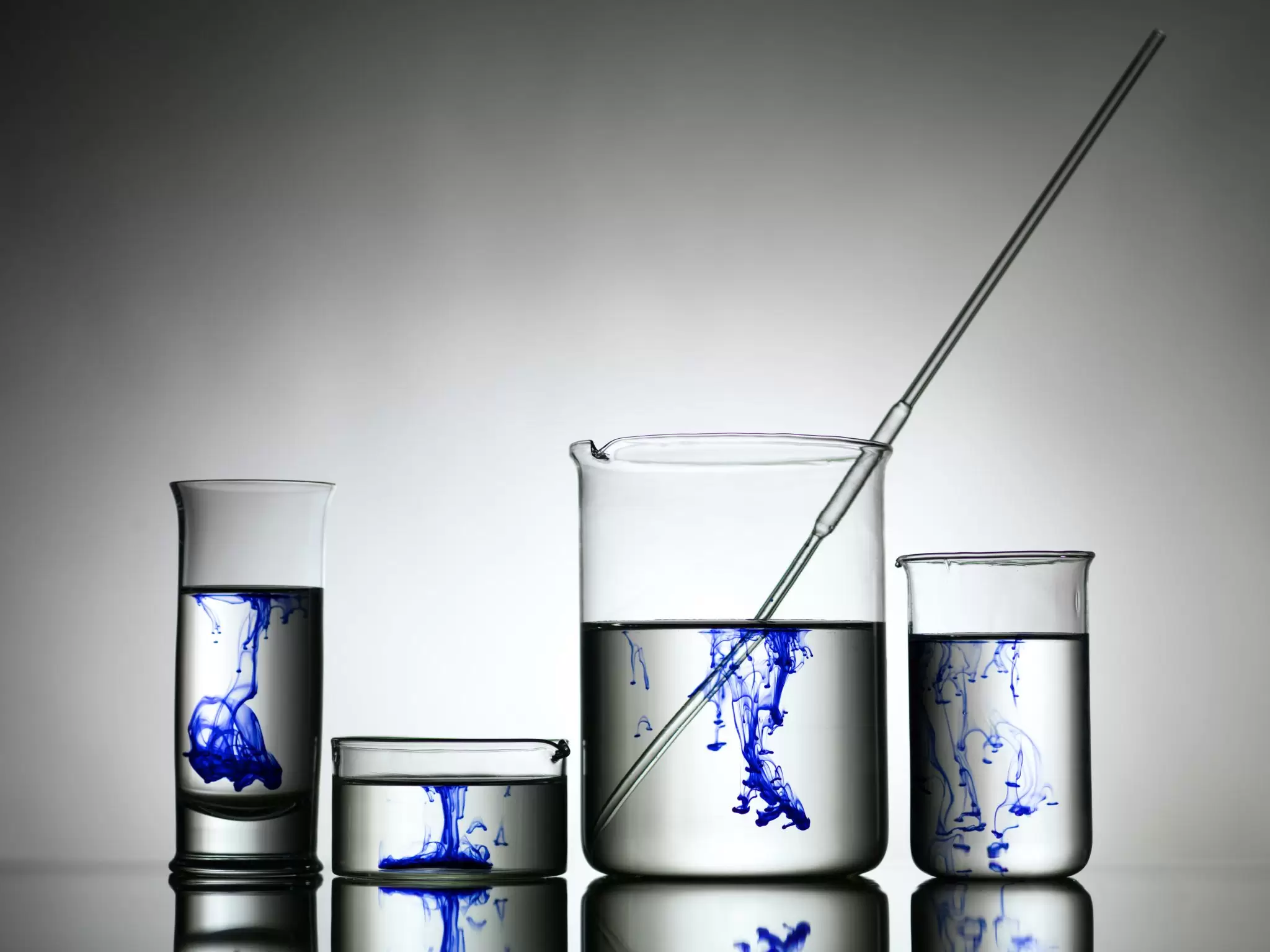
Natural and process waters may contain hardness minerals, dissolved salts, suspended solids, oils, organic matter, metals and microorganisms. Depending on the application, these components can cause scale, corrosion, biological growth, deposits, colour, foam and unstable process quality. Water treatment chemicals are used to control these problems and make water suitable for drinking, production, heating and cooling, washing, treatment or reuse.
The objective is not limited to removing contaminants. A properly designed programme also protects pipelines, heat exchangers, boilers, cooling towers, membranes and treatment equipment; reduces energy consumption and maintenance; and keeps process quality stable.
Scale forms when hardness components such as calcium and magnesium deposit on heat-transfer surfaces and inside pipelines. Corrosion is the deterioration of metallic equipment caused by the chemical characteristics of water. Microbial growth can lead to bacteria, algae, fungi and biofilm inside the system. Suspended solids, oils and organic matter create deposits, turbidity, colour and blockages.
Correctly selected antiscalants limit mineral deposition, corrosion inhibitors reduce metal loss, biocides control microorganisms, coagulants and flocculants improve solid-liquid separation, and pH regulators keep the process within its effective operating range.
Products are selected according to the specific requirements of the water system. Antiscalants and dispersants restrict mineral deposition. Corrosion inhibitors protect metal surfaces. Oxidising and non-oxidising biocides are used for microbiological control. Coagulants and polyelectrolytes convert fine particles into larger flocs that can be separated more easily. pH regulators, neutralising agents, oxygen scavengers, colour removers, emulsion breakers and defoamers address particular process problems.
A generic product name is not a sufficient selection criterion. Active chemistry, ionic character, concentration, feedwater characteristics, temperature, retention time and compatibility with other chemicals must be considered together.
In drinking-water treatment, coagulation, flocculation, pH control and disinfection help improve clarity, safety and sensory quality. In industrial systems, boiler water, cooling water, closed circuits, reverse-osmosis units and process-water lines are conditioned against scale, corrosion and biological growth.
In wastewater treatment, coagulants, polyelectrolytes, colour removers, emulsion breakers, pH regulators and defoamers support the removal of suspended solids, oils, colour and other pollutants. Water quality directly affects product quality and equipment performance in agriculture, food processing, textiles, paper, energy, metals, mining and chemical production.
Natural and process waters may contain hardness minerals, dissolved salts, suspended solids, oils, organic matter, metals and microorganisms. Depending on the application, these components can cause scale, corrosion, biological growth, deposits, colour, foam and unstable process quality. Water treatment chemicals are used to control these problems and make water suitable for drinking, production, heating and cooling, washing, treatment or reuse.
Scale forms when hardness components such as calcium and magnesium deposit on heat-transfer surfaces and inside pipelines. Corrosion is the deterioration of metallic equipment caused by the chemical characteristics of water. Microbial growth can lead to bacteria, algae, fungi and biofilm inside the system. Suspended solids, oils and organic matter create deposits, turbidity, colour and blockages.
Products are selected according to the specific requirements of the water system. Antiscalants and dispersants restrict mineral deposition. Corrosion inhibitors protect metal surfaces. Oxidising and non-oxidising biocides are used for microbiological control. Coagulants and polyelectrolytes convert fine particles into larger flocs that can be separated more easily. pH regulators, neutralising agents, oxygen scavengers, colour removers, emulsion breakers and defoamers address particular process problems.
Provide the water analysis, flow rate, process objective, existing system, pH and temperature, observed problem, daily consumption or dosage, packaging requirement and delivery location. Product and dosage selection must be verified using the technical data sheet, SDS and, where required, field trials.