Fast Supply Solutions
We match your technical product needs with the right manufacturers and quickly organize the process for competitive prices and short delivery times.

Water conditioning optimises clean or process water for its intended use, while wastewater treatment brings polluted water to discharge or reuse quality. They are different stages of the same water-management cycle.
Water conditioning optimises clean or process water for its intended use, while wastewater treatment brings polluted water to discharge or reuse quality. They are different stages of the same water-management cycle.
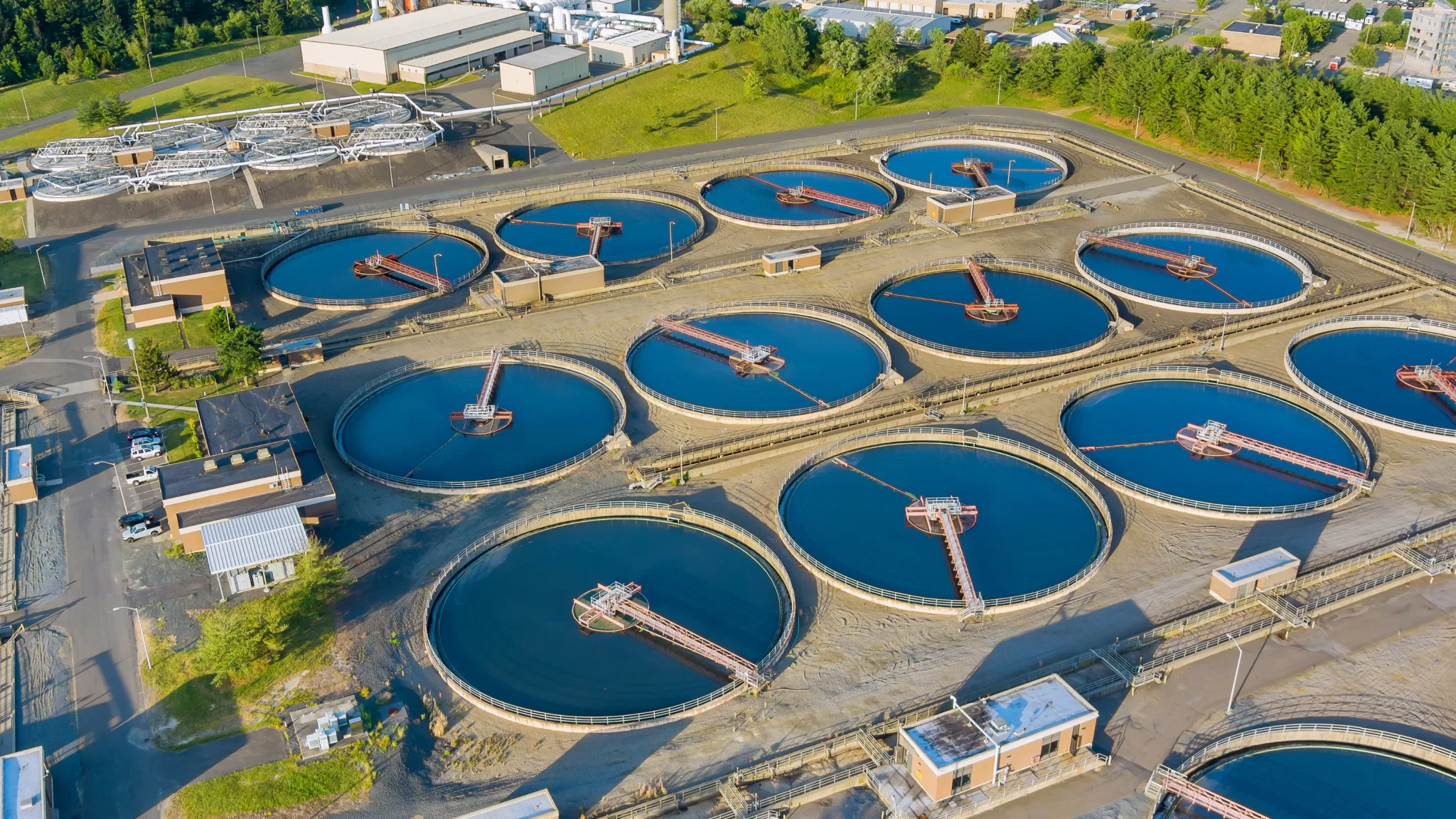
Water conditioning adapts raw or existing-quality water to the equipment and process in which it will be used. Hardness, alkalinity, pH, dissolved gases, minerals, suspended solids and microorganisms are controlled to reduce scale, corrosion, deposits and biological growth. The objective is often not simply to purify the water, but to ensure that it does not create operating problems.
Boilers, cooling towers, closed circuits, reverse-osmosis systems, wash lines and production processes have different water-quality requirements. The programme is therefore defined according to water analysis, equipment materials, temperature, cycles of concentration and process sensitivity.
The main objectives are to prevent scale, protect metal surfaces, limit microbiological activity, balance pH and control deposits. Chemical programmes use antiscalants, pH regulators, corrosion inhibitors, biocides and dispersants.
Physical methods include filtration, softening, membrane processes and, in selected applications, magnetic or ultrasonic devices. Most practical systems use a combination of physical and chemical methods rather than relying on a single technique.
Wastewater treatment is the group of processes used to make domestic or industrial wastewater safe for discharge or suitable for reuse. Wastewater may contain suspended solids, dissolved organics, oil and grease, colour, nutrients, metals, salts and microorganisms.
The target is to reduce pollutant load to the required limits and manage the resulting by-products safely. Discharge quality and reuse quality are not identical; reuse may require advanced filtration, membranes and disinfection.
Preliminary treatment removes coarse material by screening, grit removal and oil separation. Primary treatment uses sedimentation or flotation to reduce suspended solids and separable oils. Chemical treatment includes pH adjustment, coagulation, flocculation, precipitation, colour removal and control of specific pollutants.
Secondary or biological treatment breaks down organic matter using microorganisms. Advanced treatment can include filtration, activated carbon, membranes, reverse osmosis or advanced oxidation. The final stage may include disinfection and conditioning for the intended reuse.
Water conditioning adapts raw or existing-quality water to the equipment and process in which it will be used. Hardness, alkalinity, pH, dissolved gases, minerals, suspended solids and microorganisms are controlled to reduce scale, corrosion, deposits and biological growth. The objective is often not simply to purify the water, but to ensure that it does not create operating problems.
The main objectives are to prevent scale, protect metal surfaces, limit microbiological activity, balance pH and control deposits. Chemical programmes use antiscalants, pH regulators, corrosion inhibitors, biocides and dispersants.
Wastewater treatment is the group of processes used to make domestic or industrial wastewater safe for discharge or suitable for reuse. Wastewater may contain suspended solids, dissolved organics, oil and grease, colour, nutrients, metals, salts and microorganisms.
Provide the water analysis, flow rate, process objective, existing system, pH and temperature, observed problem, daily consumption or dosage, packaging requirement and delivery location. Product and dosage selection must be verified using the technical data sheet, SDS and, where required, field trials.