Fast Supply Solutions
We match your technical product needs with the right manufacturers and quickly organize the process for competitive prices and short delivery times.

Correct valve materials are selected by reviewing fluid composition, concentration, temperature, pressure, solids and required shut-off together.
Correct valve materials are selected by reviewing fluid composition, concentration, temperature, pressure, solids and required shut-off together.
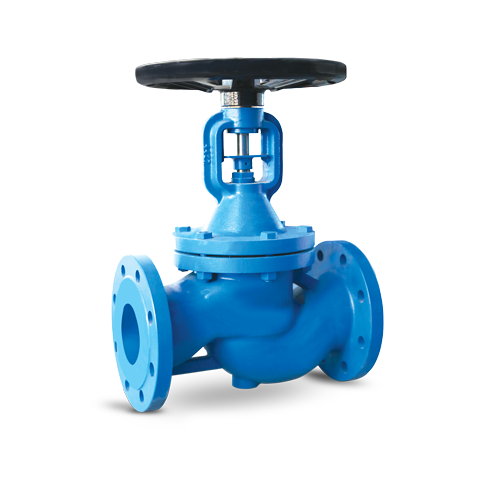
Cast or ductile iron suits many water services; carbon steel supports more demanding pressure and temperature; stainless and high alloys are considered for corrosion. Confirm grade, standard and pressure-temperature limits.
Stem, disc, ball, plug, seat ring and guides contact the process. Erosion, cavitation, particles and galling may require a different alloy or hard facing from the body.
EPDM, NBR, FKM and PTFE have distinct chemical and temperature limits. Metal seats can suit high temperature, abrasive or fire-safe duty; leakage class remains a separate requirement.
Provide full composition, concentration, pH, chlorides, solids, cleaning chemicals and temperature range. Obtain written manufacturer confirmation for mixtures and uncertain duties.
| Part | Examples | Main check |
|---|---|---|
| Body | Ductile iron, carbon steel, stainless | Pressure, temperature, corrosion |
| Trim | Stainless, alloy, hard facing | Erosion, cavitation, galling |
| Seat | EPDM, NBR, FKM, PTFE, metal | Chemical and temperature compatibility |
| Packing | PTFE, graphite, combinations | Leakage and emissions |
No. Alloy grade, concentration, temperature and components such as chlorides change performance.
No. Their compatibility with water, steam, hydrocarbons and chemicals differs.
No. It may suit heat or abrasion, but tight shut-off and torque must be checked.
Composition, concentration, pH, temperature, pressure, solids and cleaning conditions.