Fast Supply Solutions
We match your technical product needs with the right manufacturers and quickly organize the process for competitive prices and short delivery times.

Sandwich panel types vary according to application area, core material, fixing detail, surface profile and insulation/fire performance requirements.
Sandwich panel types vary according to application area, core material, fixing detail, surface profile and insulation/fire performance requirements.
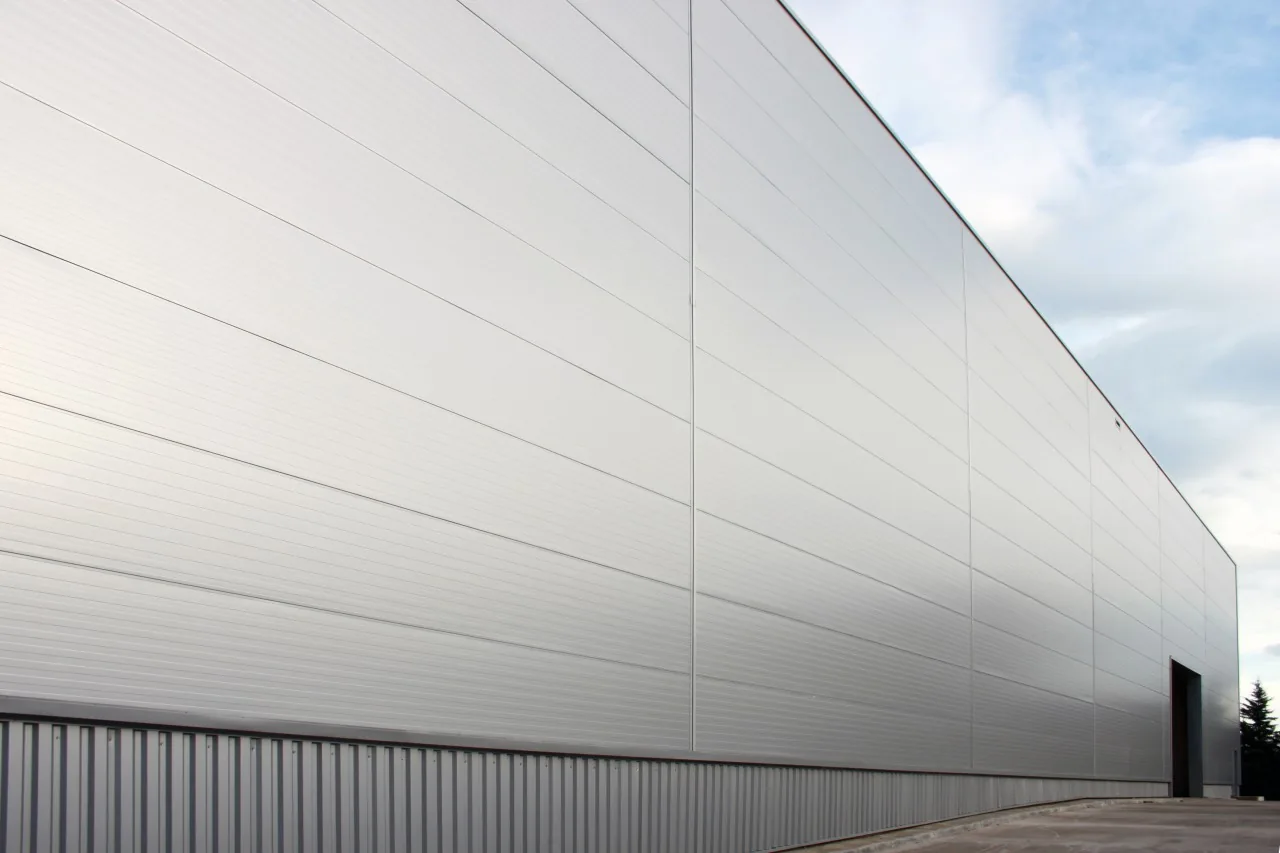
Panels are mainly divided into roof panels and wall panels. Roof panels focus on water drainage, slope, rib profile and fixing detail. Wall panels focus more on appearance, horizontal/vertical installation and joint lines.
PIR/PUR-based panels offer high thermal insulation and low weight, while rock wool core panels are preferred in projects where fire performance and acoustic insulation are important. Selection should be based on fire, thermal and acoustic expectations.
Visible-fix panels provide practical installation. Hidden-fix panels create a cleaner facade because the fixing elements are not visible on the outer surface. Both systems can be correct depending on the project detail.
Micro-profiled, flat, corrugated or different surface forms can be used. RAL color options help create facade designs compatible with the architectural language and corporate appearance of the building.
Panels are mainly divided into roof panels and wall panels. Roof panels focus on water drainage, slope, rib profile and fixing detail. Wall panels focus more on appearance, horizontal/vertical installation and joint lines.
PIR/PUR-based panels offer high thermal insulation and low weight, while rock wool core panels are preferred in projects where fire performance and acoustic insulation are important. Selection should be based on fire, thermal and acoustic expectations.
Visible-fix panels provide practical installation. Hidden-fix panels create a cleaner facade because the fixing elements are not visible on the outer surface. Both systems can be correct depending on the project detail.
Specify the application, roof or wall type, core material, panel thickness, steel thicknesses, colour, total area, accessories, project location and delivery point. Fire and thermal performance must be confirmed against the project specification before ordering.