Fast Supply Solutions
We match your technical product needs with the right manufacturers and quickly organize the process for competitive prices and short delivery times.

Actuator selection combines valve torque or thrust, motion, travel time, modulation, available utility, fail position and environmental conditions.
Actuator selection combines valve torque or thrust, motion, travel time, modulation, available utility, fail position and environmental conditions.
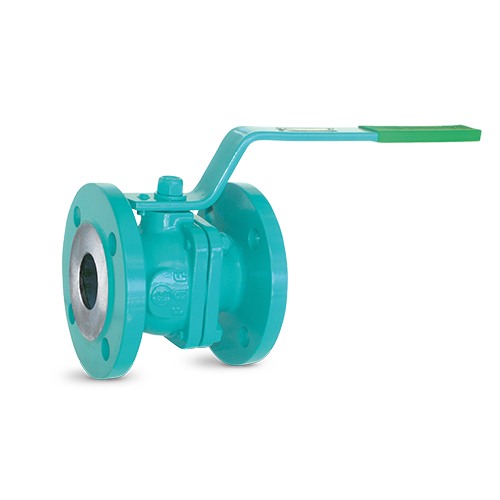
Use break, running and closing torque at maximum differential pressure. Apply an appropriate margin for seat adhesion, ageing, temperature and process deposits rather than selecting on nominal torque alone.
Electric actuators suit sites without instrument air and duties that accept slower travel. Pneumatic actuators favour rapid cycling, simple spring-return fail action and frequent operation.
Define on-off or modulating duty, signal, positioner, switches, solenoid, manual override and feedback. State whether the valve must fail open, fail closed or remain in place.
Specify IP protection, ambient temperature, corrosion, vibration and any ATEX/IECEx area. Verify mounting interface, rotation and travel.
| Criterion | Electric | Pneumatic |
|---|---|---|
| Utility | Electrical supply | Compressed air |
| Speed | Normally slower | Fast travel available |
| Fail action | Battery/spring/capacitor option | Spring return common |
| Control | On-off or modulating | On-off or positioned |
No. Torque, differential pressure, seat, temperature and safety margin are required.
It is often fast, but air pressure, solenoid and flow capacity determine travel time.
The valve moves to the project-defined safe position when power or air is lost.
Duty rating, signal, feedback and required positioning accuracy must be defined.