Fast Supply Solutions
We match your technical product needs with the right manufacturers and quickly organize the process for competitive prices and short delivery times.

Valve type is selected from duty, pressure loss, shut-off requirement, flow direction, operating frequency and fluid properties—not pipe size alone.
Valve type is selected from duty, pressure loss, shut-off requirement, flow direction, operating frequency and fluid properties—not pipe size alone.
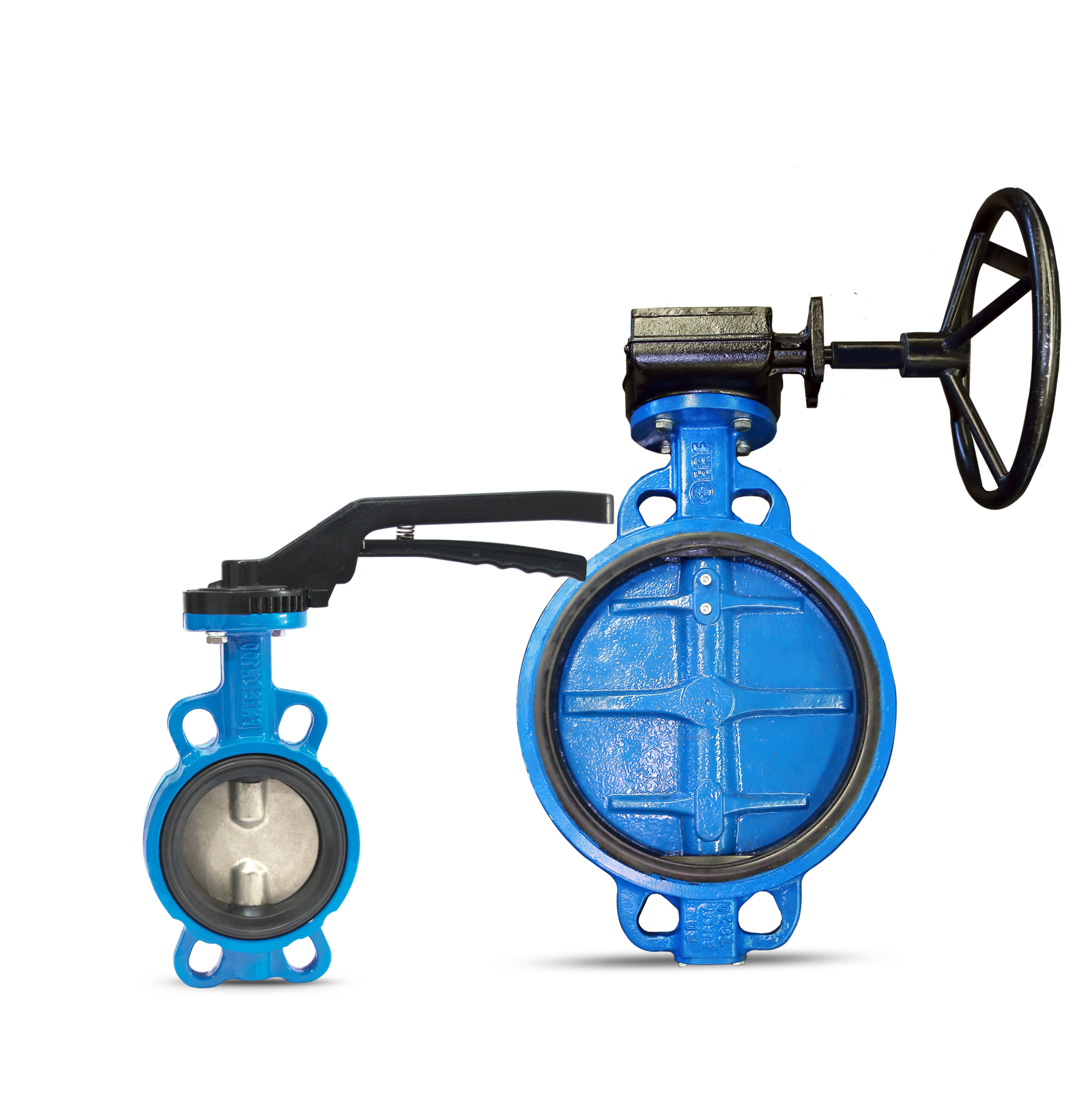
Full-port ball valves provide low pressure loss and tight quarter-turn isolation. Butterfly valves are compact and economical at medium and large diameters; disc, seat and actuator torque must be checked together.
Gate valves are intended for fully open or fully closed isolation. Globe valves are better suited to throttling and control, but their flow path creates a higher pressure drop.
Check valves automatically prevent reverse flow. Swing, wafer, disc or spring-loaded designs are selected by velocity, orientation, closing dynamics and water-hammer risk.
Confirm DN/NPS, PN/class, body, trim and seat materials, end connection, temperature and leakage requirement on one technical datasheet.
| Type | Primary duty | Key characteristic |
|---|---|---|
| Ball | Quick isolation | Low loss, tight shut-off |
| Butterfly | Large-diameter isolation/control | Compact and light |
| Gate | Open/closed isolation | Low loss when fully open |
| Globe | Throttling/control | Good modulation |
| Check | Prevent reverse flow | Automatic operation |
Normally no; it is primarily for fully open or fully closed isolation.
No. Disc, seat and body materials must match fluid, pressure and temperature.
The fluid changes direction through the body and passes the control trim.
Minimum flow, orientation, closing speed and surge risk.